

This allows for better expenditure control and prevents overspending, ultimately leading to improved financial stability. This helps organizations track and control their spending and ensures that resources are available when needed for planned expenses. Organizations now employ various strategies to maintain fiscal discipline and prevent unexpected spending surges.
Unencumbered assets are easier to transfer because only the property owner, acting as the seller, and the party interested in purchasing the property, acting as the buyer must approve the sale. Further, there will be no predetermined required sale price, allowing the seller to set the price at their discretion. When an entity borrows from another, legal claim on the securities owned by the borrower can be taken as security by the lender should the borrower default on its obligation. The securities' owner still has title to the securities, but the claim or lien remains on record. In the event that the securities are sold, the party with the legal claim on them must be given the first opportunity to be paid back. In some cases, encumbered securities cannot be sold until any outstanding debts belonging to the owner of the securities are paid to the lender who holds a claim against the securities.
Understanding Encumbrance
A downside of encumbrances is that they increase the complexity of government accounting to some extent. When someone buys a car, they may finance it with an auto loan, eventually paying for it in full and owning the car free and clear. If the owner doesn’t make their loan payments, they risk losing the car—the financing company could seize it as collateral. If you’re buying a used car, it’ll likely be unencumbered, but it doesn’t hurt to ask the seller or financing company to run a title search. They may be financial (for example, liens) or non-financial (for example, easements, private restrictions).
Then, when that request is approved, a purchase order can easily be made for the exact amounts. When the encumbrance amount gets added to the general ledger, you can remove the payment from the pre-encumbrance amount. Encumbrances are not considered actual expenses and are not included in actual-expense balances. With Encumbrances, no payments leave the University and no actual expense would be generated on a ledger, since it is an expectation of a future actual transaction. An important part of business finance and cash flow is making sure you understand how much of your available funds you can afford to place in reserve for the encumbrance account. Your reserve funds should be treated as if they don’t exist, and only dipped into for approved purchases or expenses.
External Encumbrance
If you are buying a new home, your mortgage lender will have a title company run a title search on the property. It will do this to ensure the property is unencumbered and free to be purchased by you, the new owner. If a property is encumbered, that means another individual or organization has an underlying claim on the property.

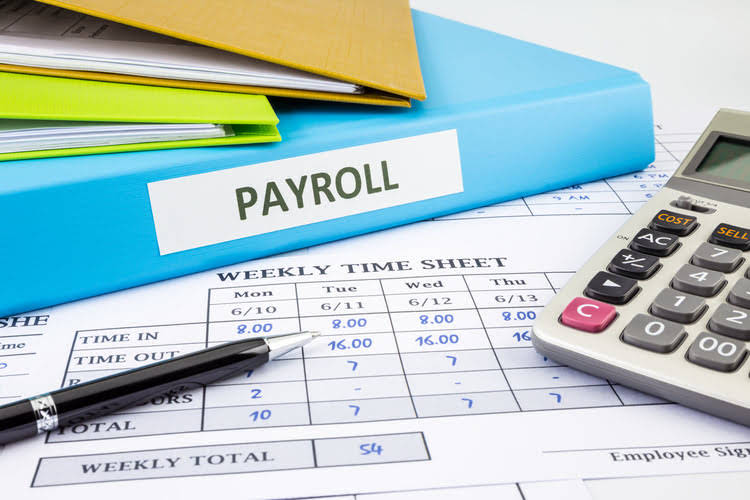
Some businesses also have to project commission costs paid to representatives and independent contractors, which will vary with the amount of sales. Other examples of encumbrance can include money set aside for payroll, allotted cash for monthly fees such as utilities or rent, and cash that is set aside for taxes or other longer-term fees. It is up to your company to decide which items will be the most helpful for them to track to more accurately predict and track cash flow. The accounting term encumbrance can sometimes be mistaken for real estate encumbrance.
Actual Expense
Non-profit organizations must balance the need for financial transparency with donor expectations and reporting requirements. While encumbrance accounting provides numerous benefits, each sector also faces unique challenges and considerations. In government, public sector, and non-profit organizations, strict https://www.bookstime.com/ regulations and reporting standards must be adhered to. The complexity of budgetary processes, shifts in funding sources, and changing priorities pose additional challenges. The term encumbrance covers a wide range of financial and non-financial claims on a property by parties other than the title-holder.
All content on this website, including dictionary, thesaurus, literature, geography, and other reference data is for informational purposes only. This information should what is encumbrance accounting not be considered complete, up to date, and is not intended to be used in place of a visit, consultation, or advice of a legal, medical, or any other professional.